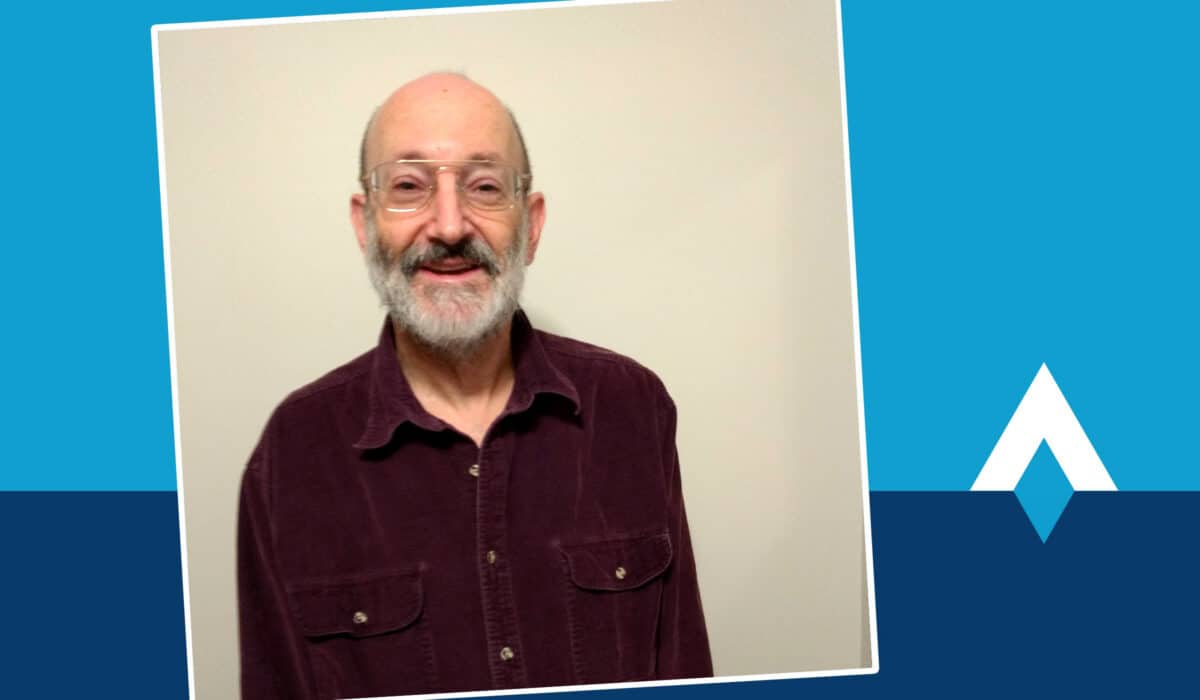
When Kristi Saucerman launched Auction Frogs in 2007, she felt like a tadpole in a big pond of entrepreneurs.
“Few would take me seriously at first,” she said. “My business was helping nonprofits fundraise better, and oftentimes that made people smirk, laugh and say, ‘You can’t make money with nonprofits.’”
But Saucerman proved them wrong.
Over the next 15 years, she built Auction Frogs into a powerful event management and fundraising solution that’s helped nonprofits across North America raise millions of dollars.
In fact, she was so successful that she caught the attention of an interested buyer, and in 2022, she sold Auction Frogs for 7 figures.
How SaaS business Auction Frogs leapt over hurdles
Based in Boise, Idaho, Saucerman started Auction Frogs out of frustration. After years of volunteering for fundraisers at her daughters’ charter school, she wanted to create a more efficient way to run charity auctions.
“[You have to] hope for enough people to come to the event so that they can bid on those items within that two-hour timeframe,” she said on Boise State Public Radio back in 2011. “Once that time is up, the bid sheets are collected, the inventory is then organized so that the mass chaos of the people leaving the facility at the end of the night can show up, hopefully pay, take their items and leave.”
She worked with a software programmer to design an online automated system for silent auctions. She tested it at a fundraiser for her kids’ school — and revenue tripled.
Word spread, and she began getting calls from schools, churches — even someone in Florida.
“I kept saying, ‘Well, how did you find me?” she recalled. “[They’d say,] ‘Oh my cousins’ brothers’ neighbors’ friends’ aunt sent me a link to the school’s website that they were doing and thought maybe I should look into doing it for our school.’”
Saucerman built Auction Frogs into a comprehensive solution to help nonprofits manage fundraising events. Clients ranged from local charities to national nonprofits, and events ran the gamut — from golf tournaments and 5K runs to annual galas and auctions.
Auction Frogs’ services included online auctions, mobile bidding, ticket sales, event transactional sales and event management tools. The company also offered consulting to help nonprofits maximize revenue and potential.
For two years, Saucerman worked solo to launch and grow Auction Frogs. She wore multiple hats, including programmer, marketer, bookkeeper, client support — and on top of all of that, stay-at-home mom.
She said her most productive work time during that phase of life was the middle of the night: 10pm to 2am. During the day, she juggled customer support calls while carpooling, volunteering in the classroom, hosting playdates and staying on top of her household duties.
Her first hire, aside from the programmer, was in customer service, so she no longer had to dedicate so much attention to managing support calls and helping clients set up online auctions.
“Balancing these responsibilities while being a stay-at-home mom to two young children was challenging… it was no small feat,” she told They Got Acquired. “Each day required learning, pivoting and adapting — constantly refining the tools while chasing the vision.”
Learning, pivoting and adapting is what helped fuel Auction Frogs’ success — even when the world shut down during the pandemic. Working quickly, Auction Frog combined its online auction platform with live-stream fundraising events. This move helped nonprofits reach global audiences and create more accessible and impactful opportunities for donors to support causes, Saucerman said.
By 2022, Auction Frogs had reached nearly $1 million in annual revenue with nine employees.
Selling Auction Frogs “felt a lot like sending a child off to college”
Bootstrapping Auction Frogs in what Saucerman described as an “under-digitized market” also proved challenging.
“As an entrepreneur, there comes a time when you realize that the business you’ve built has grown into something bigger than yourself,” she said. “It reaches a point where it needs more — more expertise, funding, resources, technology — just more than one small team can provide. I found myself at that juncture.”
Several companies had reached out about buying Auction Frogs over the years, but none of them piqued Saucerman’s interest — until Lumaverse Technologies.
Saucerman immediately understood how Auction Frogs and Lumaverse aligned. Lumaverse’s software solutions help simplify scheduling, volunteer and member management, event planning, and fundraising.
“I believed they could offer the next level trajectory we had the potential for, resources, and could carry the vision needed to take the company to its next level of growth,” she said. “I also felt this move would provide professional development opportunities for my team — something I cared about.”
During the process, Saucerman leaned on mentors, respected colleagues and trusted professionals for feedback. Hired M&A experts, who understood her and her business, guided her through contracts, due diligence, financials and questions.
“I quickly realized that I didn’t know what I didn’t know, and the learning curve was steep,” she said. “I had to be very intentional about who I spoke to because everyone had their own opinions, shaped by their unique good or bad experiences.”
In March 2022, Lumaverse acquired Auction Frogs in a 7-figure deal. Saucerman stayed on as the CEO of Auction Frogs. She also helped create a TV challenge series called “Nonprofit MVP,” where nonprofits compete in fundraising challenges.
Reflecting on selling a software company
Saucerman compared selling her company to sending a kid off to college.
“My husband and I raised our kids with love, guidance, encouragement, and they developed a good moral compass, a strong foundation to grow from,” she said. “Growing a company is strikingly similar. I built Auction Frogs with passion, vision and a deep understanding of the industry. I created the tools to empower nonprofits in achieving their fundraising goals.”
But like kids, businesses also grow up, and it’s important to understand when to let go. While many parents call this becoming an empty nester, Sauerman prefers “bird launcher.”
“I’ve launched children into the world to make it a better place, and I feel like Auction Frogs was ready for its ‘college years,’” she said. “Lumaverse gave my little company the opportunity to spread its wings and fly.”
When it comes to starting and selling your business, Saucerman shares her wisdom:
- Know your “why.” Stay true to your vision and passion.
- Start preparing for a sale well in advance. Organize your financial records, streamline operations and document key processes.
- Knowing your numbers will empower you in negotiations and help you set realistic expectations.
- Selling a business is personal, but it’s also a business decision. Stay objective and work with trusted advisors to navigate the process.
- So much of your identity can feel tied to your company, but it’s important to remember your business doesn’t define you. It’s a milestone, a chapter in your story. Be proud of what you’ve built, grateful for the journey — and courageous enough to move beyond it when the time is right, knowing that your identity and potential extend far beyond this accomplishment.
Update: How Saucerman spent her time after her business exit
🔹 TGA: What have you been up to since you sold your business?
Saucerman: Since selling Auction Frogs to SignUpGenius, in 2022 and transitioning out of the business, I’ve been excited to take everything I’ve learned over nearly two decades in the nonprofit fundraising industry and put it to work in new ways.
I launched C3 Consulting Agency & Events, where we provide fundraising strategy, consulting, and specialized event staffing for nonprofit organizations.
One exciting part of this next chapter is that I’ve come full circle with Auction Frogs! C3 is now a vendor providing professional on-site event staffing and support for Auction Frogs clients, as well as nonprofits using other fundraising software platforms.
I’ve also become an author! I wrote Beyond the Bid: The Fundraising Playbook, which shares the strategies, revenue-generating ideas, and lessons I’ve learned from working with thousands of nonprofit fundraising events over the years.
What I love most is that I’m still doing what I’m passionate about: helping nonprofits raise more money for their missions. The difference now is that I can approach it from several angles: consulting, education, and hands-on event support.
Selling Auction Frogs wasn’t the end of my entrepreneurial journey. It gave me the opportunity to build something new around the part of the business I’ve always loved most: the people, the relationships, and the impact we can make together.
🔹 Did you take time away from work after selling?
I took about two months off over the holidays, which was a nice opportunity to slow down, spend time with family, and enjoy a little breathing room after nearly two decades of building Auction Frogs.
But I quickly realized that I’m not very good at sitting still! After those two months, I was ready to get back to doing what I love: building a business, creating opportunities, and working with people.
I think once you have that entrepreneurial spirit, it’s hard to turn it off.
I loved what I built with Auction Frogs, but I was equally excited about the opportunity to start something new, take what I’d learned, and build a company around the parts of the business I enjoyed most.
🔹 How did you figure out what was next?
For me, figuring out what was next came pretty naturally.
As part of my acquisition agreement, I had a carve-out that allowed me to continue providing onsite event support to nonprofits, including Auction Frogs clients. I knew I wanted to stay connected to the nonprofit community and continue helping organizations raise more money for their missions.
After nearly two decades in the fundraising industry, I had built so many relationships and gained so much knowledge about what works, what doesn’t, and where nonprofits often need the most support. I wasn’t ready to walk away from that experience. I wanted to find new ways to share it.
I’d also had a longtime desire to write a book that would put all those fundraising strategies, lessons, and revenue-generating ideas into the hands of nonprofits. That became Beyond the Bid: The Fundraising Playbook, which has since expanded into digital courses and educational resources.
Ultimately, I didn’t have to reinvent myself or start in an entirely new industry. I was able to take the parts of Auction Frogs that I loved most, helping nonprofits, building relationships, and creating fundraising opportunities, and turn them into a new business with C3 Consulting Agency & Events.
It felt like a natural next chapter, just with a different approach to serving the same community I’m so passionate about.
🔹 How did the money from your transaction affect your life path?
The financial outcome of selling Auction Frogs gave me the opportunity to take a deep breath, step back, and really appreciate the journey.
It was incredibly rewarding to feel that all the blood, sweat, and tears had paid off and that everything I’d poured into building Auction Frogs had been worth it.
More than anything, it gave me the freedom to be intentional about my next chapter.
I didn’t feel the pressure to immediately jump into something new out of necessity. I could choose what I wanted to build next, and that was a pretty wonderful feeling.
🔹 What surprised you most about life after the sale?
What surprised me most was that I didn’t experience the identity crisis so many entrepreneurs warned me about after selling their businesses.
I think it’s easy to wrap so much of who you are into what you’ve built, especially when you’ve poured your heart and soul into it for so many years.
But throughout the transition process, I made a conscious effort to separate my personal identity from the company and gradually unwind my role. I
came to recognize that while the business was a huge part of my life and something I was incredibly proud of, it didn’t define who I was.
What I realized was that my passion was never just about owning a business. It was about building something meaningful, creating opportunities, solving problems, and helping others succeed.
Selling Auction Frogs didn’t change any of that. In fact, it gave me the freedom to take everything I had learned over nearly two decades and apply it in new ways.
I didn’t lose my identity when I sold my company. I simply gave myself permission to evolve beyond it, and I’ve found that building something new is just as exciting the second time around!
🔹 What advice about the post-exit period would you give to founders?
My advice is to start preparing yourself for the exit long before the sale is finalized.
It’s easy to wrap your identity into the business you’ve spent years building, but it’s important to recognize that your business is something you created, not who you are.
Remember, you’re selling your business, not your purpose.
Editor’s note: Kristi’s responses were edited lightly for clarity.