
Selling your company can feel like crossing a finish line. You cash out, assist in the transition and move on.
But what if, a few years later, you’re given an opportunity to buy your company back?
Believe it or not, this does happen—often when the company doesn’t perform as well as the buyer hoped under new ownership. Priorities shift, markets change or the parent company simply can’t make the business work the way the founder did.
Instead of taking the company back to market or shutting it down, sometimes the buyer looks to make a deal with the founder.
We looked at how this typically plays out, using the stories of five reacquisitions.
And we noticed a few patterns:
- Founders often buy their business back for less than they originally sold for
- It’s common to bring new partners on board to help with costs and operations
- Most founders treat the reacquisition as a brand-new opportunity
Their advice is simple: Don’t build the same company twice.
Here are the stories of founders who sold their companies and later negotiated to take them back — along with lessons you can use if you get a second chance to own what you built.
1. Get clear on what you’ll do differently this time around
Extra Points
- Content company about the business of sports
- Founded by Matt Brown
- Founded in 2020, sold in 2021, reacquired in 2024
- More details: This sports writer hit a home run: he sold his newsletter and got to keep writing it
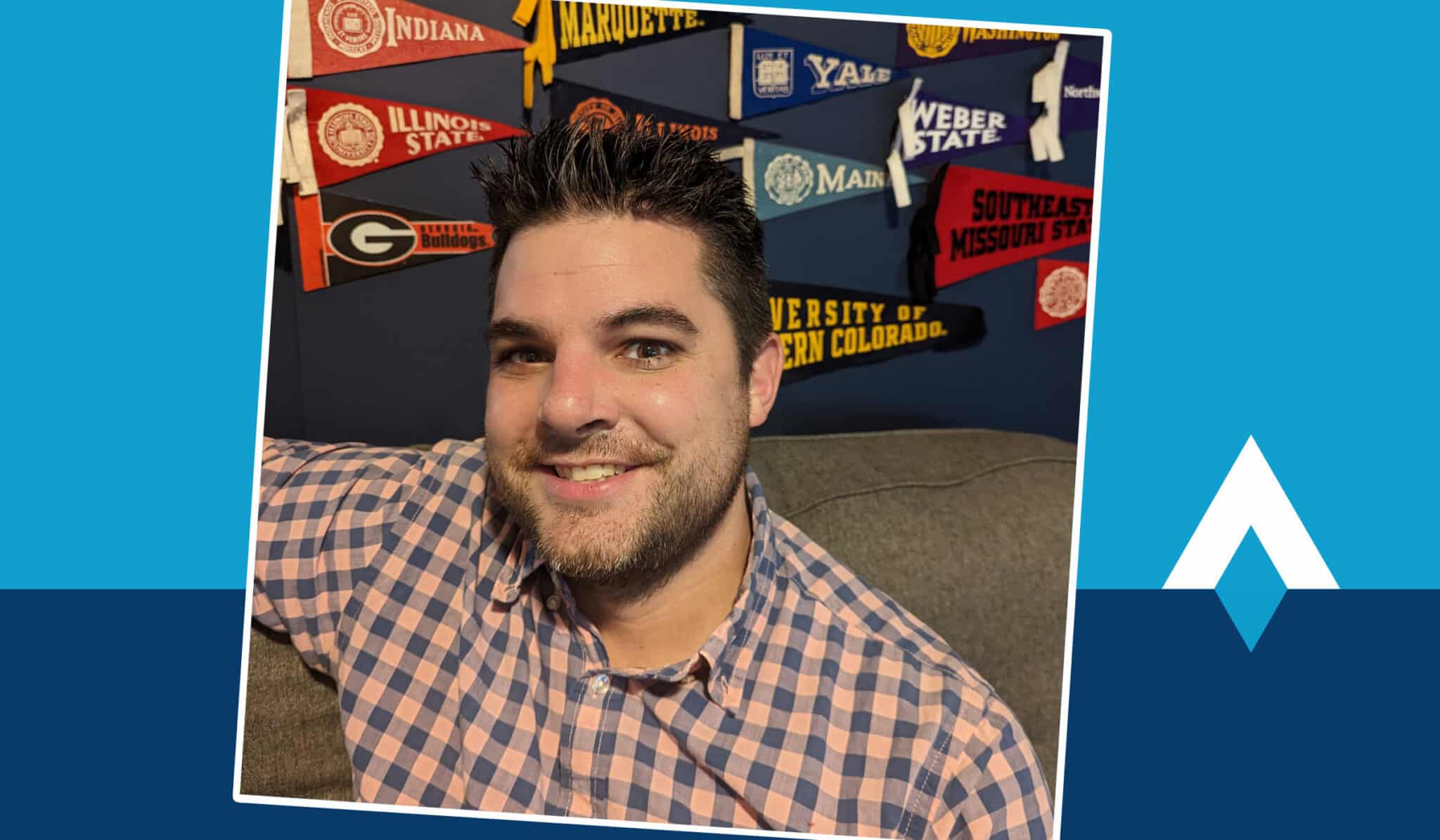
Matt Brown, a former SBNation sports journalist, started the newsletter Extra Points as a side project in April 2019. By April 2020, he’d gone full time but quickly realized he needed help with sales, audience development and operations.
To access those resources, Brown sold Extra Points to college sports newsletter company D1.ticker in November 2021 in a low-6-figure deal that included cash, equity — and a role continuing to write for the newsletter.
Then in 2024, D1.ticker approached Brown with the opportunity to buy Extra Points back. The college sports industry was rapidly changing, and media companies were navigating tough economic conditions, he shared. Rather than shut the newsletter down, D1.ticker wanted to give Brown the chance to take it over again.
This time, Brown knew he didn’t want to do it alone. He connected with Dennis Alschuler, a former Princeton athlete and media and tech entrepreneur, through a marketplace, and the two partnered to reacquire Extra Points for less than the original sale price.
The process took about 60 days, and Brown credited a smooth transition to his strong relationship with the D1.ticker team.
“We were really fortunate that the buyers still believed in Extra Points and its mission and really wanted it to be successful,” Brown said. “They weren’t making this decision and transition for immediate financial gain.”
Brown also suspected his strong personal ties to the brand — his name, voice and email list — weren’t attractive to outside buyers, which might have limited D1.ticker’s options.
His advice to founders considering a reacquisition is straightforward: Be clear on what you want to do differently the second time around.
For Brown, that means:
- Not building alone: Bringing on Alschuler to focus on growth while Brown focuses on editorial.
- Adding distance: Reducing the company’s dependence on Brown’s personal brand, voice and even some of the software. “Now that we’re back in control, we are trying to make some strategic decisions to build value that’s independent of me in case in a year-and-a-half I want to go do something else,” he said. “Now I won’t torpedo the value of the organization.”
- Adding more revenue streams: Launching additional products, including formal classroom curriculum and a college athletics data product, as well as acquiring another newsletter to diversify revenue sources. “I think we’re always going to be a newsletter or media company in some way, but if it’s one that can get paid in six ways instead of one, then it’s more resilient,” he said.
2. Trust your experience and expertise

Create & Cultivate
- Community company for female professionals
- Founded by Jaclyn Johnson
- Founded in 2016, sold in 2021, reacquired in 2023
- More details: How she sold a community company for $22M
Jaclyn Johnson launched Create & Cultivate in 2016 as a community for women professionals and entrepreneurs centered around in-person events. When COVID-19 upended the events industry, Johnson pivoted to virtual programming — a move that helped her sell a majority stake to private equity firm Corridor Capital in 2021 for $22 million.
But at the end of 2023, she had the chance to buy the company back. The PE firm was struggling to transition back to in-person events, and revenue declined — from $14 million in 2019 to $4.7 million in 2022 and $5 million in 2023, CNBC reported.
At the same time, Johnson had just taken much of 2023 off to recover from burnout and navigate a divorce. This time, she was committed to doing things differently by setting boundaries and bringing on operators to handle day-to-day execution.
Like Brown at Extra Points, this meant bringing on a partner. Johnson and Marina Middleton split equal majority ownership when they reacquired Create & Cultivate, which Forbes estimated was valued at $8 million.
Now, the duo is focused on breathing new life into a decade-old brand, they told the Los Angeles Business Journal, including launching an annual festival they’ve described as “Coachella for career women.”
The idea was risky, but Johnson learned to trust her experience and expertise.
“I’ve done this for a long time now,” she told CNBC. “And so we have this unique perspective that is really hard to find. We know this audience, we know what they want, and let’s lean in and go all in on that.”
Since then, they sold out their in-person festival with 2,000 attendees, and have run other events including The Seven-Figure Founder Retreat in Savannah, Georgia and curated Supper Clubs in New York.
“You don’t want to do things the exact same way you did them before,” Johnson said. “We’re thrilled to come out swinging.”
3. Negotiate boldly
Indie Hackers
- Community company for online entrepreneurs
- Founded by Courtland Allen
- Founded in 2016, sold in 2017, reacquired in 2023
- More details: With $8,000 monthly revenue, a community of digital entrepreneurs sold to Stripe
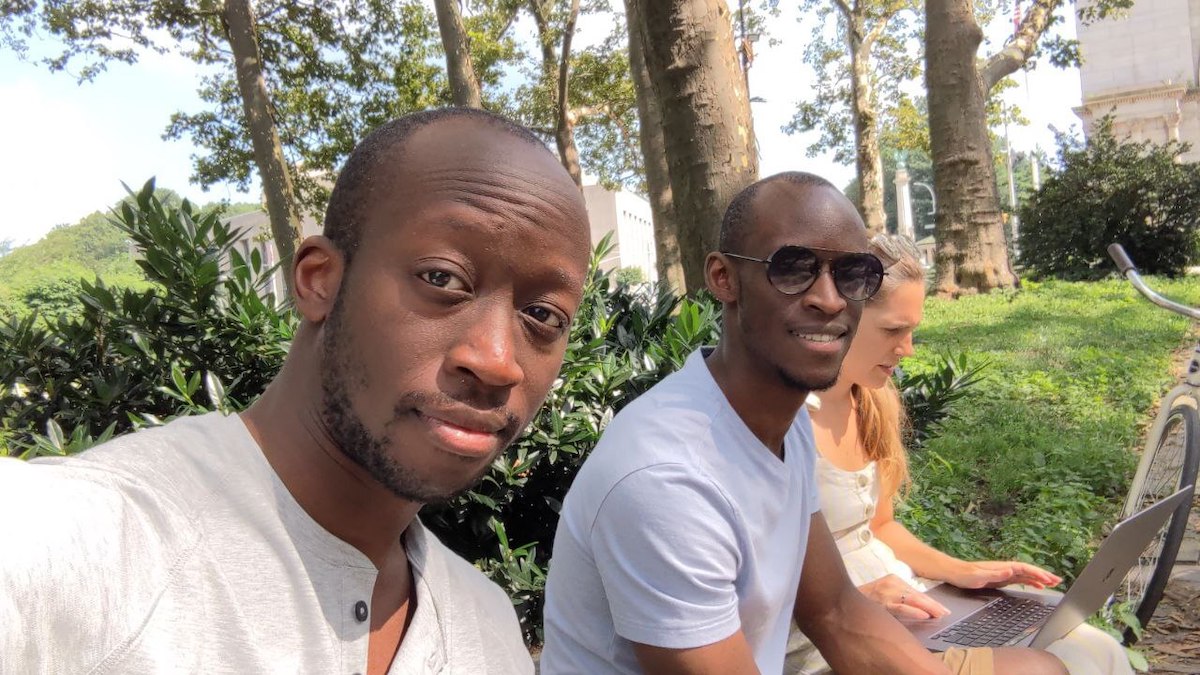
The fintech company Stripe acquired Indie Hackers just one year after Courtland Allen founded the community of internet business founders in 2016. The acquisition aligned well: Stripe wanted to help founders build profitable businesses, and Indie Hackers was already doing exactly that.
But six years later, Courtland, this time alongside his brother Channing Allen, bought the company back.
The conversations began in November 2022, when Stripe asked whether the brothers were interested in taking Indie Hackers “indie” again, the brothers explained on the Indie Hackers podcast.
They hadn’t considered it, but the idea stuck. Several months of discussions followed, which “actually turned into a pretty intense negotiation,” they said.
In April 2023, Indie Hackers became independent again, with Stripe remaining on as a seed investor.
“I’m way more excited about life in general,” Courtland said. “I feel kind of like I have a purpose again.”
Being part of Stripe was a positive experience — Indie Hackers operated autonomously, Courtland said — but when the brothers bought the company back, they felt a renewed drive to grow and monetize the community again.
On the podcast, they shared some of their learnings from the process, including:
- Keep conversations casual. Courtland preferred WhatsApp conversations with Stripe CEO Patrick Collison over emails or formal meetings. “Text or WhatsApp is very lighthearted,” he said. “You can send emojis, which is nice when you’re trying to be friendly… but you’re also trying to ask for what you want, which is very uncomfortable.”
- Push for what you want. Drawing on advice from Stripe advisor Patrick McKenzie’s guide to salary negotiation, the brothers emphasized the importance of not being afraid of offending the counterparty. They won’t be; this is their job, and often they aren’t even negotiating with their own money.
- Frame your value. “You want to be one-of-a-kind, and you want to understand what they want and what you want so you can ask for the right things and create the right frame,” Courtland said.
Post-acquisition, the brothers said they were excited to work without deadlines and long-term goals — to instead focus on steady, day-to-day growth.
4. Prioritize profitability — even as competitors scale at all costs
BattlBox Group
- E-commerce company that sells survival gear
- Founded by Daniel Dabbs, Patrick Kelley and John Roman
- Founded in 2015, sold in 2021, reacquired in 2023
- More details: How this subscription box company sold for $19M
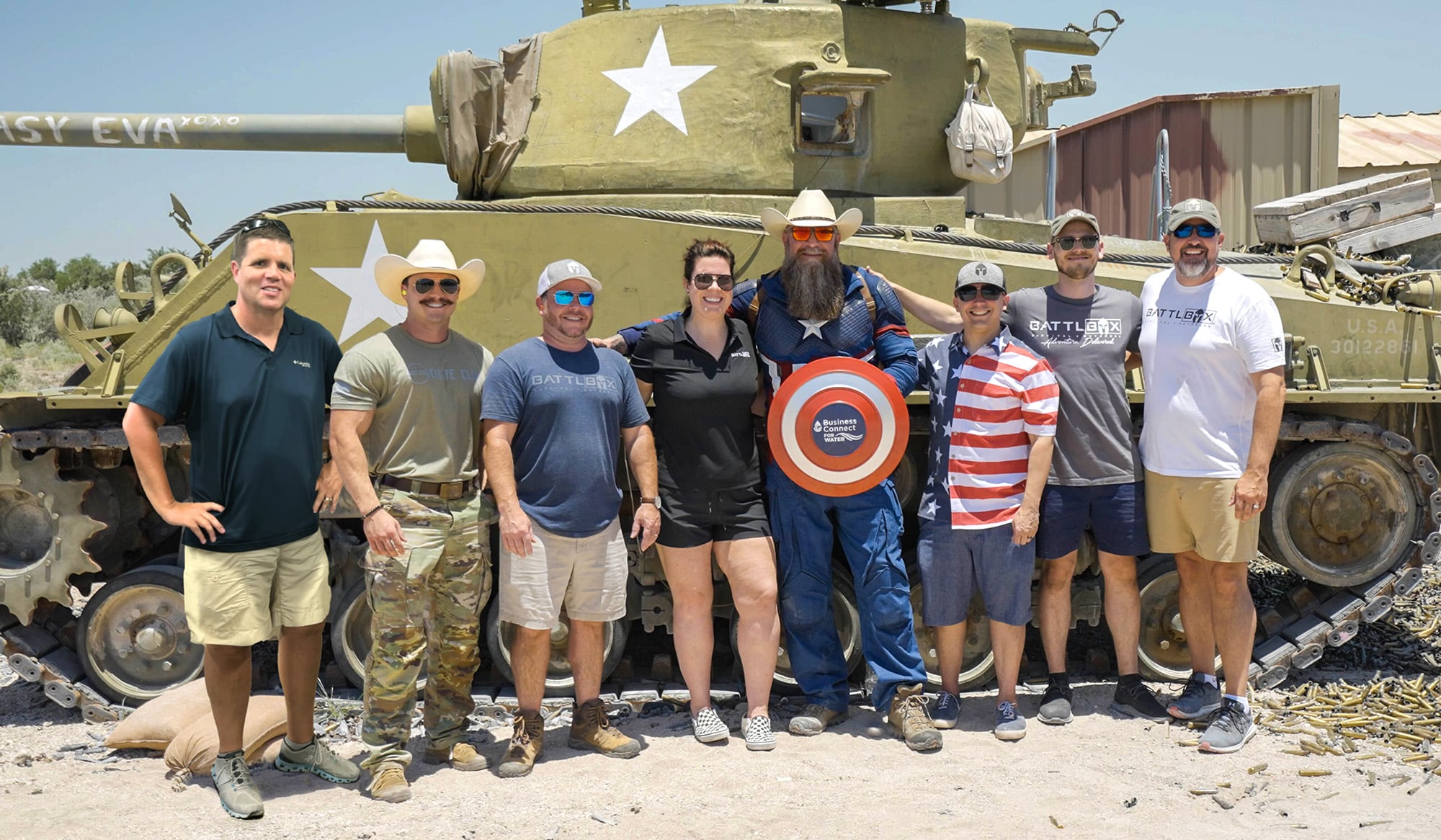
In October 2021, co-founders Daniel Dabbs, Patrick Kelley and John Roman sold their expert outdoor and survival gear company to EMERGE Commerce for nearly $19 million. The deal included BattlBox and Carnivore Club subscription boxes, with Roman as CEO and Kelley as COO. (Dabbs retired.)
Just 2.5 years later, EMERGE approached them with a proposal: buying BattlBox back.
“Our parent company was working down some debt and needed cash, and we saw an opportunity to get the business back at a discount from what we sold it for,” Roman told They Got Acquired. “It was a mutually beneficial opportunity.”
Roman and Kelley took the keys back to BattlBox Group — this time without Carnivore Club — for $6 million, about one-third of what EMERGE paid in 2021. CFO Richard Toms joined as an equal partner.
“I think if we wouldn’t have bought it, someone else would have,” Roman speculated on Entrepreneurs Exposed. “Where would the brand be? It might be dead.”
Roman credits BattlBox’s resilience — before, during and after the acquisition — to the founders’ focus on profitability. Even as e-commerce brands boomed during COVID-19 and scaled at all costs, BattlBox prioritized profits.
“We’ve never not had a profitable year,” Roman said. “That was kind of unpopular for a while.”
Community and content have also been central to the brand’s durability. BattlBox built a loyal audience through YouTube, social media and even a Netflix show, which drove consistent organic reach regardless of larger industry shifts or ownership changes behind the scenes.
5. Build termination and buyback paths into your original deal
Money With Katie
- Content company about personal finance
- Founded by Katie Gatti Tassin
- Founded in 2020, sold in 2022, reacquired in 2026
Money With Katie began as a blog in April 2020 and was acquired by Morning Brew in early 2022 as part of a three-year acquihire.
“The acquisition meant that I would join the Brew to run the franchise and have access to part-time resources within a larger, more established media business,” Katie Gatti Tassin wrote in a blog post.
Under Morning Brew, the blog and podcast brand scaled from $250,000 to $1 million in annual revenue in the first year. But Tassin suspected growth wasn’t meeting internal expectations.
“We weren’t tripling revenue, and I think that was the sort of growth they were hoping to see,” she said on the Diabolical Lies podcast.
Her views and values around money also began to shift during this time, and, despite enjoying work, she was beginning to feel burned out.
As her three-year contract neared its end in January 2025, she started negotiating new terms, including a lighter workload and adding a termination clause. The process took several months.
During that time, Tassin partnered with Caro Claire Burke to launch the Diabolical Lies podcast on Substack, which surpassed Money With Katie’s downloads in its first several months.
It became more and more clear that she was ready to leave the Brew.
“There was just one problem,” she wrote in an Instagram post. “Because I had sold 100% of my intellectual property as part of our original deal, I no longer owned my brand. This meant that ‘moving on’ would be tantamount to leaving Money With Katie behind, and that felt unspeakable.”
Morning Brew couldn’t just give Tassin her company back. But, at the same time, Money With Katie wasn’t worth much without the whole Katie part.
“The thing I wanted most belonged to them, but without me, it was worth less, which created a bit of a prisoner’s dilemma that neutralized much of the leverage either side could’ve otherwise exercised,” Tassin wrote in the Jan. 15, 2026 Money With Katie newsletter.
She continued: “Much corporate bullshit and strong-arming was avoided not because I’m a world-class negotiator, but because the president [Devin Emery] approached my desire to leave with my IP collaboratively, rather than combatively.”
Tassin signed a deal to reacquire full ownership of her brand, which includes everything from her earliest blog posts to the latest podcast episodes. It was structured as a three-year earnout that Tassin could “pay” for with three additional years of employment.
At the end of each year, she had the option to pay out the rest of her time and resume full ownership of Money with Katie. She made that call in July 2025, paying out her final two years.
“It felt surreal,” she said on Diabolical Lies. “It felt like the culmination of years of soul-searching, and it felt, in a way, similar to how signing the original contract felt in that it was a big celebration and it also is really scary.”
Following the reacquisition, Tassin shared plans to pause the Money with Katie podcast and focus on Diabolical Lies, while continuing her weekly newsletter. After a decade of working at full speed, she planned to slow down.
“Part of regaining ownership is total autonomy over how I’m spending my energy moving forward,” she said. “I never want to produce something for the sake of producing it.”